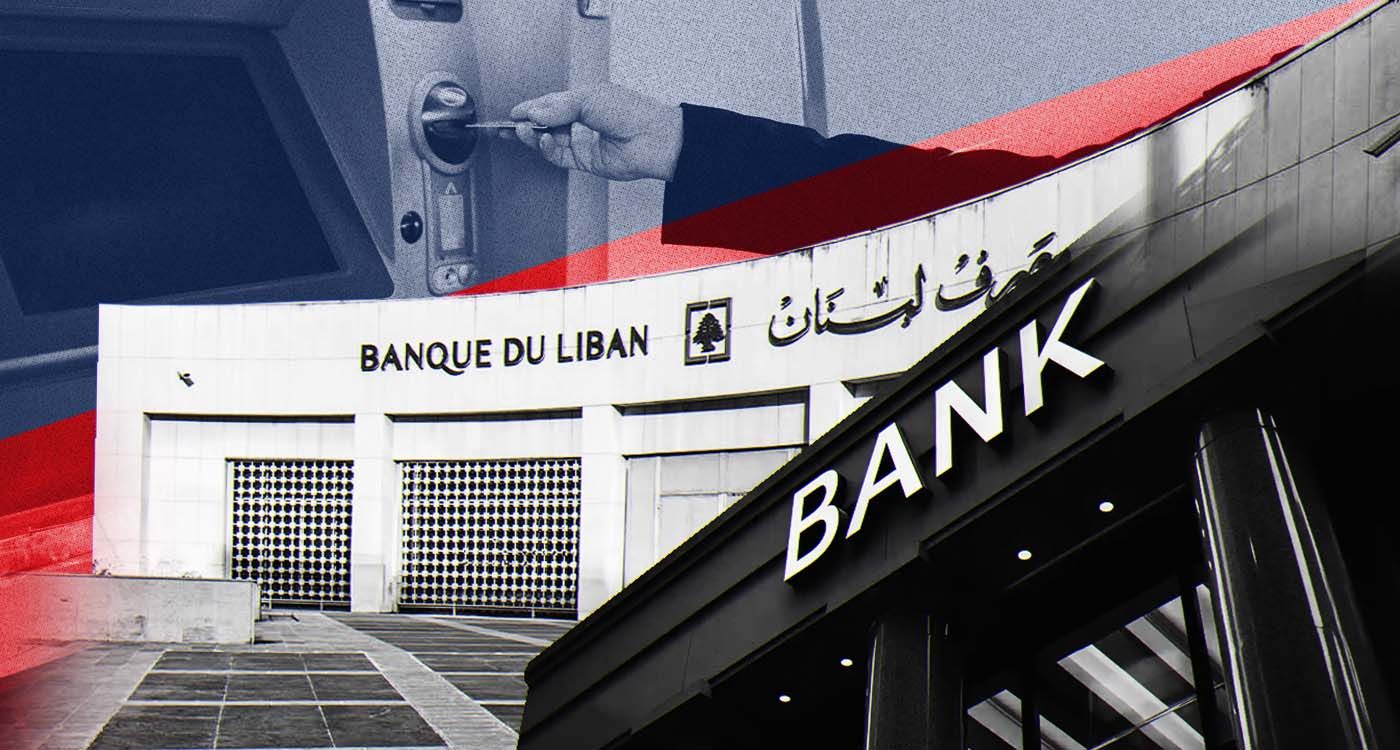
At one of the darkest moments in Lebanon’s national life, Prime Minister Nawaf Salam is promoting a so-called “financial gap law” as a technical solution, while in reality it legalizes suffering and formalizes the confiscation of Lebanese citizens’ savings.
The so-called “Kulluna Irada” law does not merely steal money; it also assaults dignity. It reduces years of hard work and hope to cold figures entered into loss tables, as if the anguish and exhaustion of depositors are mere details that can be brushed aside with a single vote.
In this context, the President of the Republic’s responsibility, both constitutional and moral, becomes inescapable: to reject this law and oppose it. Its adoption would amount to shielding the system at the expense of citizens. Any member of parliament who votes in favor of this text places themselves in direct confrontation with the conscience of the Lebanese people and with history itself.
Professor Nicole Ballouz Baker warned of the dangers of this “financial gap law,” stressing that it offers no genuine treatment of the crisis. Instead, it rests on a profoundly unjust approach to the core question: who must bear responsibility? She insists that it is unacceptable to impose this burden on citizens or depositors and that only those truly responsible should be held to account. Without genuine accountability, trust can never be restored.
Ms. Baker further underlines the systemic nature of Lebanon’s crisis, born of a succession of flawed public policies and chronic mismanagement. Any attempt to resolve it by classifying depositors constitutes an arbitrary measure, devoid of solid legal or economic foundations. She asks, "On what criteria are depositors classified? And on what legal basis?” The proposed classifications do not compensate for losses; rather, they strip depositors of their rights and place them outside any real legal protection.
What logic fragments the law, categorizes deposits, and transforms the depositor—the legitimate rights-holder—into an accused party and the victim into a burden? This is a blatant attempt to push citizens into accepting that their money is definitively lost, with neither the state nor the law offering them protection.
Ms. Baker also points out that, since the onset of the crisis, the solutions proposed have been wrapped in vague formulations, particularly those linked to negotiations with the International Monetary Fund, without ever addressing the essential questions: is there a real vision? Do these solutions tackle the root causes of the problem, or do they merely shift losses from one pocket to another?
She concludes that any law that fails to acknowledge the systemic nature of the crisis, clearly define responsibilities, and protect depositors’ rights is incomplete and dangerous—one that entrenches collapse rather than placing Lebanon on the path to recovery.
Depositors are not numbers in state ledgers. They are families, patients, students, retirees, and suspended dreams. Anyone who endorses the legalization of the theft of their savings morally condemns themselves.
Voting for the financial gap law is neither a political choice nor a technical measure. It is a scandalous moral stance and an explicit alignment against the people. Whoever votes for this law knowingly seals the assault on the assets and dignity of the Lebanese, and no subsequent justification will absolve them, neither before public opinion nor before history.


Comments