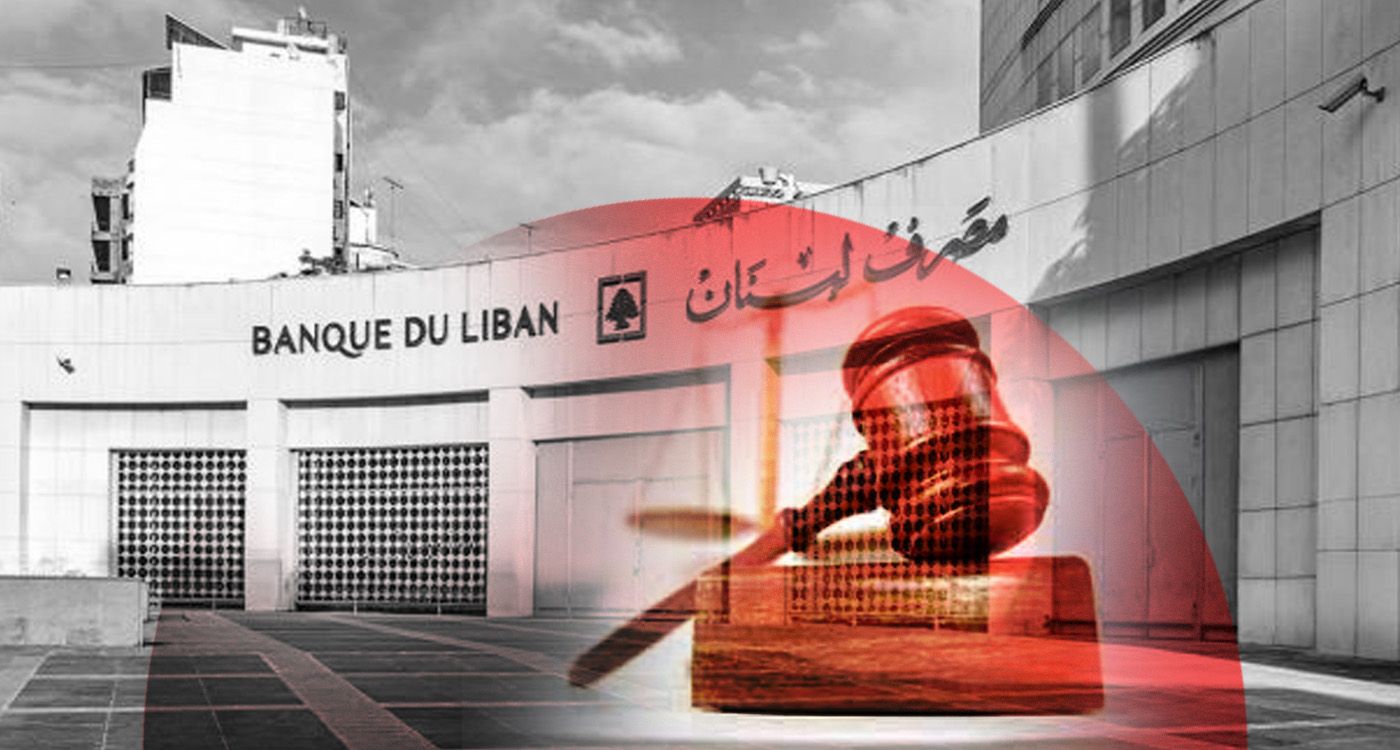
Under the guise of structural reforms demanded by the International Monetary Fund (IMF), the “Gap Law” currently being prepared in Lebanon is raising growing concern. Presented as a technical tool designed to bridge the country’s massive financial shortfall, this law is now seen by many experts as a mechanism allowing the state to evade its historical responsibilities while shifting the bulk of the losses onto depositors and the banking sector.
At the heart of this controversial framework, the government of Nawaf Salam—with the direct involvement of Economy Minister Amer Bsat, Finance Minister Yassine Jaber, and Banque du Liban (BDL) Governor Karim Souhaid—is accused of engineering a restructuring based not on financial justice but on the outright erasure of depositors’ rights.
A Law to Erase Public Debt?
The principle of the Gap Law rests on the official recognition of a colossal deficit in Lebanon’s financial system. But the method envisioned to fill this “gap” raises serious questions. In practice, the circulating drafts of the text provide for the elimination of banks’ equity, their liquidation, or their replacement with new entities—without any clear guarantee regarding the assumption of obligations toward depositors.
For many legal experts and economists, this approach amounts to indirectly wiping out the State’s debt to the Banque du Liban—and therefore to depositors—by placing the burden of the collapse on private accounts. This logic reverses responsibility: the State, the system’s main debtor, positions itself as an arbiter rather than as a party accountable for its debts.
Banks Sacrificed, Depositors Liquidated
The planned liquidation of existing banks, presented as a “restructuring,” raises fears of a dangerous precedent. Without a clear mechanism of legal continuity between old and new institutions, nothing compels the latter to honor previous deposits. In other words, deposits risk being simply erased from balance sheets, without fair compensation.
This direction is all the more alarming given that it is being pursued with the active participation of the BDL, which is supposed to be the guarantor of monetary and financial stability. Governor Karim Souhaid’s role in this process is sharply criticized: instead of defending a framework for the gradual restitution of deposits, the central bank appears to be aligning itself with a liquidation logic, in disregard of its fundamental mission.
A Breach of the Social Contract
Ultimately, the Gap Law as currently envisaged threatens to definitively rupture the pact between the State and its citizens. By sacrificing deposits, bankrupting banks without a credible recovery plan, and shirking its own commitments, the Lebanese State risks entrenching the institutionalization of financial injustice.
More than a reform, the Gap Law thus appears as an act of abdication—an abdication of responsibility, of financial sovereignty, and of the fundamental principle that the State must answer for its debts, rather than erase them on the backs of its citizens.


Comments