- 28
- Dec.
- 2025
PoliticsWinds from the East and North: Lebanon Faces Pressure on Multiple Fronts
Read : 2 minute(s) A A A
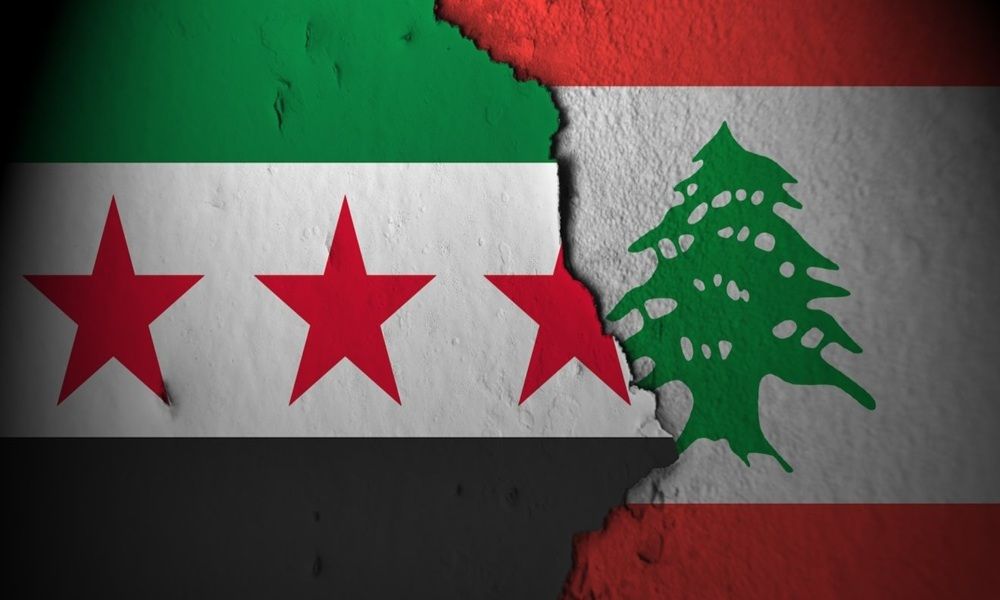
Recent developments suggest that Lebanon is a stage for the activities of supporters of Syria’s former regime. Amid these movements, they have also been preparing operations inside Syria, particularly along the coast and in Homs, where Alawite communities are concentrated. Their activities appear to be supported, to some extent, by Hezbollah, according to individuals familiar with the matter.
CNN has released images and video showing Syrian official Bassam al-Hassan in Beirut. Al-Hassan has been implicated in the disappearance of American journalist Austin Tice.
The second confirmed incident is the killing of Ghassan Naassan al-Sukhni in Kfaryassine, Mount Lebanon. Al-Sukhni reportedly led a military unit aligned with the former Syrian regime and maintained ties to Maher al-Assad.
The third event involves a camp established by Hezbollah in northern Beqaa for Lebanese and Syrian displaced persons who lived in Syria and left after the fall of the regime. Lebanese authorities’ awareness of the identities, activities, or any political or military operations in the camp remains unclear.
The fourth event concerns the arrest of twelve former Syrian officers who attempted to cross the northern border from Lebanon into Syria. Although they held Syrian citizenship, they had previously appeared before the security committees of the new regime to settle their status. Syrian authorities accused them of trying to enter Tal Kalakh to organize attacks against Syrian security forces.
Taken together, these events leave little room for Lebanese authorities to deny the presence of political and military figures affiliated with Syria’s former regime on their territory. Nor can they ignore that these individuals are conducting various activities in Lebanon, from political and financial operations to, potentially, military involvement.
This reality places a heavy responsibility on Lebanese authorities to prevent the country from becoming a rear base for opponents of the new Syrian regime. Such activity could trigger responses from Syrian authorities or armed groups connected to them, raising tensions along the eastern and northern borders and drawing Lebanese-Syrian relations into a renewed cycle of friction, with significant consequences for the Lebanese population.
This issue cannot be overlooked or left unresolved by Lebanese authorities for fear of a new confrontation with Hezbollah. The Lebanese have already suffered heavily along the southern border; can they bear further tragedies emerging from the eastern and northern borders, whether for the sake of Iran or any other party?


Comments