- 18
- Dec.
- 2025

The mechanism meeting on Friday takes place amid a series of unfolding events, beginning with the Paris meeting that set a preliminary date for the Army Support Conference in February, continuing with army operations in Yanouh in the Tyre district and videos from Toulin in the Nabatieh district, and culminating with the highly anticipated summit between US President Donald Trump and Israeli Prime Minister Benjamin Netanyahu in December.
The mechanism meeting comes just days before the army’s deadline to collect weapons south of the Litani River. This deadline mirrors the one set in the August 5 decision to collect weapons nationwide. As this objective has not yet been achieved, the focus has shifted to the area south of the Litani River. The army aims to demonstrate to both domestic and international audiences that it is serious about the disarmament process and will not be swayed by Hezbollah’s public uproar.
By highlighting its operations in the media, the army aims to gain the confidence of Arab and international stakeholders, which could lead to tangible support. Ambassadors from these countries have toured southern Litani to observe the army’s operations firsthand. The army’s inspection of one of Israel’s designated targets in Yanouh, which found no weapons or ammunition, may help limit Israeli attacks. In addition, based on Israeli intelligence shared with the Mechanism, the army uncovered a large tunnel in Toulin containing weapons and specialized ammunition.
But has the army achieved its objectives? Western diplomatic sources note that the necessity of holding an Army Support Conference is now firmly established. However, setting a date depends on the assessment of information presented by Army Commander General Rodolph Haykal at the Paris meeting, as well as his upcoming monthly report on the progress of weapons collection, expected early next year. The push to hold the conference and ensure tangible outcomes is driven not only by the United States and Israel, but also by Saudi Arabia, which takes a firm stance on Lebanon’s restoration of full sovereignty and control over decisions of war and peace.
As for limiting Israeli attacks, it has become evident that the Israeli military’s agenda does not align with that of the Lebanese army. Diplomatic sources indicate that Israel’s strategy is based on maintaining unrestricted freedom of action against Hezbollah wherever it operates, regardless of the efforts undertaken by the army. This approach reflects Israel’s assessment that the Lebanese armed forces (LAF) are moving too slowly and remain reluctant to directly confront the militant group.
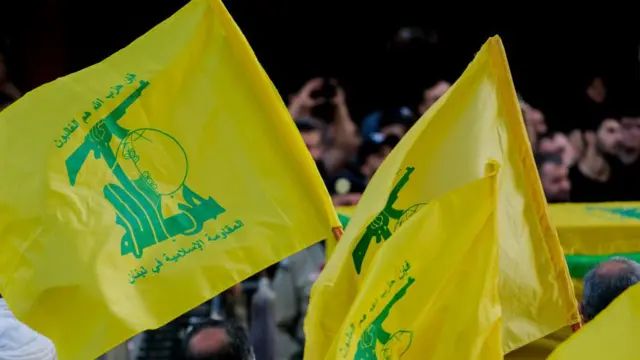
Hezbollah also rejects the ceasefire agreement, especially the rule that it should not act as an independent armed group in Lebanon. This position is reflected in repeated statements by the militia’s leadership, most notably its secretary general, Naim Qassem, who has repeatedly asserted that Hezbollah has restored its military capabilities. Israel views such declarations as an ongoing threat, one that it says necessitates the continuation of its military operations for an indefinite period.


Comments