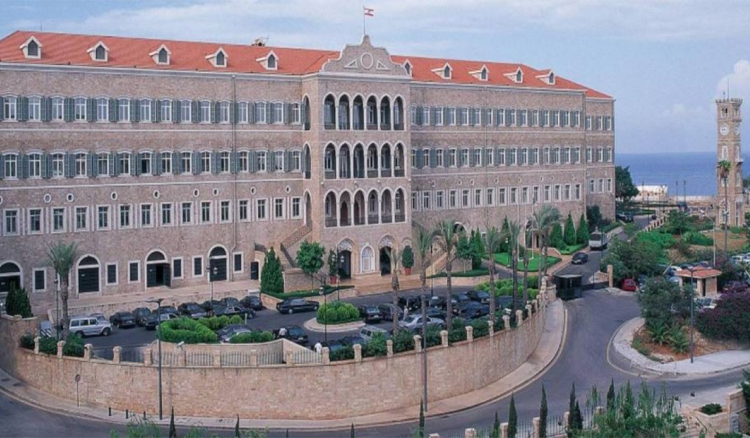
A protest organized by the Depositors’ Associations Gathering and the Association of Expatriate Depositors was held on Thursday, bringing together representatives of depositor groups and unions in a unified show of opposition to the government’s proposed financial gap draft law.
Demonstrators said the proposed legislation unfairly shifts the burden of Lebanon’s financial collapse onto depositors and citizens, rather than holding those responsible for the crisis to account. Demonstrators raised banners expressing their anger, with slogans calling for a “fair solution,” demanding the full return of deposits, and rejecting any lending to banks before depositors’ funds are restored.
Participants stressed that the protest was aimed at defending the rights of depositors, homeowners, and long-standing tenants, while rejecting what they described as a “conspiratorial” plan tied to the financial gap. They argued that the draft law reflects a policy of postponing the crisis instead of addressing it through comprehensive and decisive reforms.
Protesters also criticized proposals to impose a 20% charge on funds transferred abroad, describing the measure as an additional injustice. Instead, they called for the recovery of all funds transferred overseas without exception, arguing that this step is essential to restoring balance to the banking sector and reviving the Lebanese economy.
Participants warned against allowing the financial crisis to drag on for 15 to 20 years, cautioning that such an approach would merely bury the crisis and delay its consequences rather than adopt bold and effective solutions.
In closing, demonstrators directed a message to Prime Minister Nawaf Salam and the Cabinet, holding them responsible for what they described as a historic decision in any approval of the draft law. They warned that depositors and public opinion would hold accountable any official who supports or votes for measures they believe violate the constitution, existing laws and international norms, and undermine the rights of Lebanese citizens.



Comments