- 08
- Dec.
- 2025

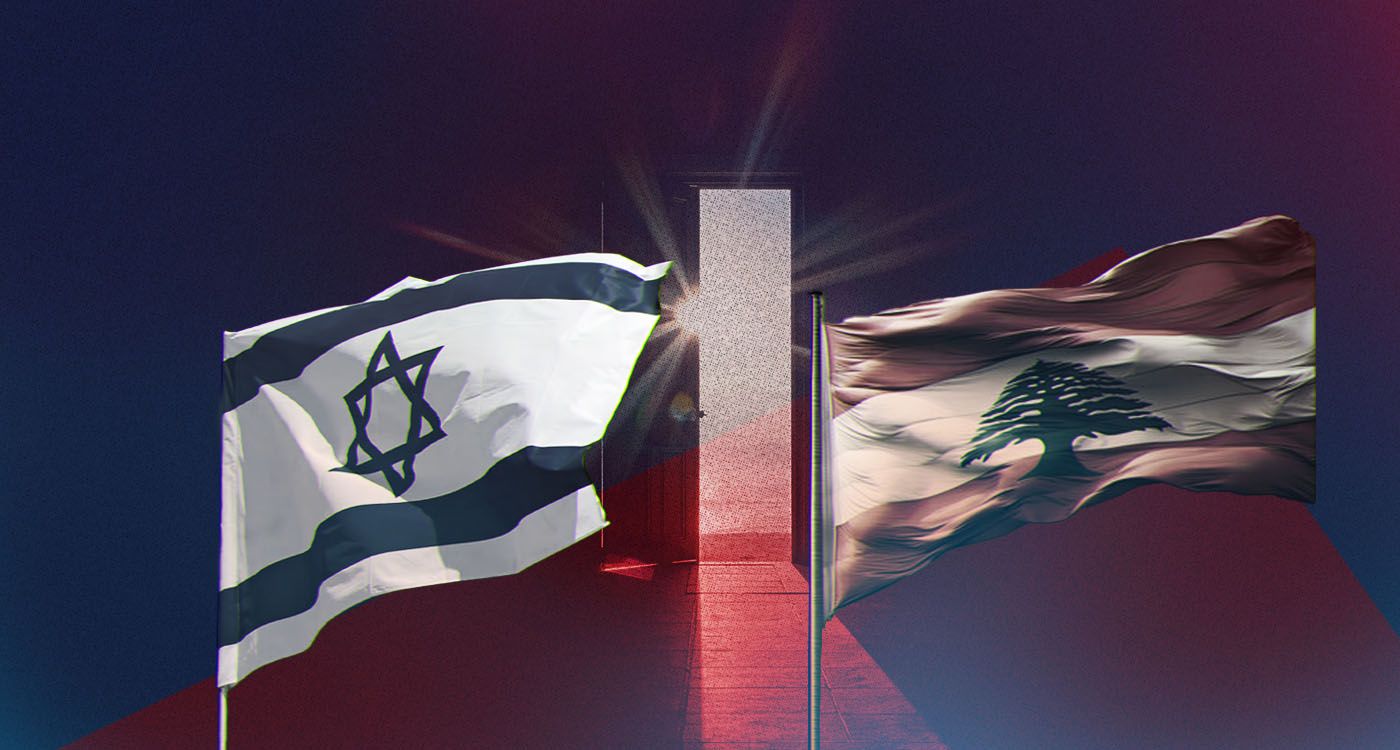
Israeli Ambassador to the U.S. Michael Leiter’s diplomatic opening to Lebanon is a major turning point amid the encumbered political horizons, uncertainties, and doomsaying enveloping the country. Coming at the heels of Prime Minister Netanyahu’s peace offer, the benevolence and the moral density of this statement cannot be overlooked by the Lebanese government and the Lebanese people at large.
The ongoing negotiations cannot move forward unless Lebanon’s stakeholders pay attention to the messages issued by Israeli authorities and start engaging with them on this very basis. The arrogant dismissal of peace offers betrays political immaturity and an inability to come to terms with the challenges posed by the state of war, festering hostilities, and institutionalized political impasses that have consolidated over time.
The Israeli ambassador is offering Lebanon an open political horizon along which the negotiations should proceed if we were to put an end to vicious cycles of violence and their pervasive destructiveness. This appeal comes when the Lebanese authorities struggle defining the scope of these negotiations driven by crippling incapacities and cumulative emergencies. Lebanese authorities have engaged in negotiations since they had no other choice to do otherwise.
However, the very nature of these negotiations behooves a change of perspective since the curtailed vision of peace is inevitably going awry. The failure of the Lebanese authorities to approach the negotiations comprehensively and the narrowing of their scope to tactical military redeployment is inevitably recoiling on the limited agendas they set.
The Israeli ambassador is proposing a major intellectual, political, and strategic inflection, which would facilitate Lebanon’s political and strategic repositioning. While engaging in negotiations, Lebanese executives are bound to reassess their political and strategic interests away from the ideological and situational constraints set by Iran’s Islamic regime, reclaim their moral and political autonomy, and start operating independently.
Ambassador Leiter’s vision is compelling and cannot be dismissed lightly: We have no claims of any nature on your territories; we “want to live in peace and harmony with you.” However, the ongoing talks do not preclude military interventions if the threats against Israeli security are not addressed and if Hezbollah is not decommissioned. The comprehensive nature of the negotiations is contingent upon demilitarization and the restoration of Lebanese sovereignty.
Simply listening to the Israeli ambassador’s elaborate statement should draw attention to the absence of political civility in this region and to the very nature of democratic diplomacy: the discursive nature of politics and their ethical framing, which contrasts strikingly with the state of political relations between states in this part of the world. The Lebanese government must pursue its negotiations on an unequivocal basis and stop mincing words. The reduction of scope of the ongoing negotiations is likely to stall their momentum and kill their underlying dynamics.
Lebanon cannot retreat behind the constraints imposed by Hezbollah and its conditionalities without compromising its political independence and moral authority. Hezbollah’s restrictions should never be part of the intellectual subtext of negotiations nor their modus operandi. The pattern of paradoxical communication adopted by Lebanon’s executives has called into question the consistency of the country’s purported constitutional democracy and its international credibility.
The scope of Israeli diplomacy is clearly defined and well-articulated, whereas Lebanon’s absent diplomatic stature betrays the notional and political inconsistencies of a failed state unable to formulate a policy course. A country cannot engage in diplomacy if the notional and operational conditions of working statehood have consistently defaulted. The negotiation process cannot proceed in a constructive manner unless its premises are clearly stated and upheld by the engaging parties.
Prime Minister Netanyahu and Ambassador Leiter’s statements were comprehensive in nature, linking the success of the negotiations to political, economic, and human considerations that should frame strategic and military chapters. Lebanese authorities adhere, mutatis mutandis, to the conventional ideological and political narrative that prevails in Islamic and Arab societies and make theirs the political doxa of Hezbollah and its clones.
Without acknowledging Israel’s legitimacy and repudiating Lebanon’s political theodicies and their apocalypticism, the prospects for normalization and open political conversation is undermined from the very outset. Lebanon must move beyond the restrictions mandated by antisemitism, Islamic totalitarianism, ideological politics, and their strategic vectors if it is to oversee an end to seven decades of protracted conflicts and institutionalized enmity. If the negotiations are to proceed, Lebanon must move beyond the ideological blindfolds and mandates of Iranian imperial politics and their religious framing.
Lebanon cannot navigate the tumultuous waters of a murderous dystopia and await anything other than the cumulative outcomes of open-ended conflicts, endemic civil wars, and destructive Islamic radicalization. US diplomacy has strived throughout the last year to help Lebanon make its transition towards normalization, conflict resolution, and working diplomatic mediations to no avail.
Rather than seizing the strategic opportunities offered by the Israeli strategic disruptions and innovative geostrategic dynamics, the new incumbents' self-defeating politics have undermined Lebanon’s rising political opportunities and chances to break away from the hold of Hezbollah and the pathologies of a failed political state and its lurking pitfalls.


Comments