- 04
- Dec.
- 2025

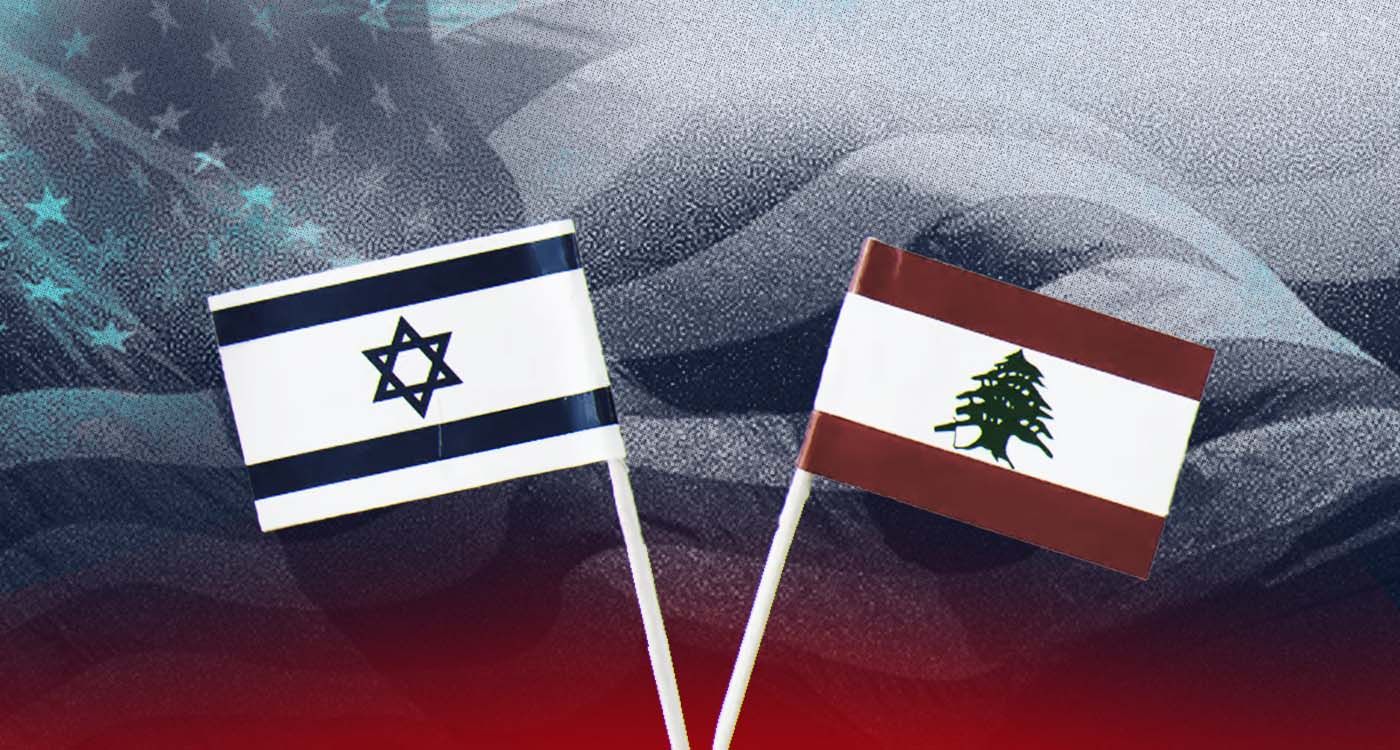
Wednesday’s meeting of the ceasefire monitoring mechanism in Naqoura carried the weight of history. Lebanon held civilian-led direct talks with Israel for the first time in decades, a development that offered Beirut a rare opportunity to resuscitate the faltering November 27, 2024, ceasefire and begin moving toward substantive political dialogue that could eventually lay the groundwork for a more durable peace.
Earlier in the morning, President Joseph Aoun appointed veteran Lebanese diplomat Simon Karam to represent Beirut at the session, marking the shift from talks conducted solely through military channels to civilian ones, as urged by the U.S.
In turn, Israeli Prime Minister Benjamin Netanyahu welcomed the appointment, describing it as an early step toward establishing the basis for future relations and potential economic cooperation between the two countries. Jerusalem matched Beirut’s move by dispatching its own civilian representative, scholar and diplomat Uri Resnick.
Aoun’s decision comes on the heels of Pope Leo XIV’s highly symbolic three-day visit to Lebanon, during which the pontiff called on Lebanon to choose the path of peace and urged Hezbollah to lay down its arms.
Why Now?
For months, the U.S. has stressed the need to bring a Lebanese civilian into the fold of the ceasefire mechanism, arguing that a strictly military dialogue cannot pave the way for real progress or establish a lasting political framework.
On Wednesday, Beirut made its choice: one of the country’s most experienced figures was added to the talks, which were attended by U.S. envoy Morgan Ortagus following her visit to Israel.
While driven in part by U.S. diplomatic pressure, Lebanon’s decision also came at a tense moment, with international warnings mounting that Israel could escalate against Hezbollah amid Israeli assertions that disarmament efforts are not advancing. Weak and fragmented, Lebanon is no longer able to indefinitely postpone strategic decisions.
Lebanon also faces its own reported end-of-year deadline to disarm Hezbollah south of the Litani River. Time is moving quickly, narrowing Beirut’s room for maneuver. On the ground, according to a military source, the Lebanese army is expected to soon release a report on progress in southern Lebanon, despite targeted Israeli strikes that are likely to continue.
Souaid described Karam’s appointment as “a major turning point in the history of the [Lebanese] Republic.”
Why Simon Karam?
Aoun’s appointment of Karam marks the culmination of the Lebanese diplomat’s career, during which he served as ambassador to the U.S. in the 1990s. Karam distinguished himself by resisting Syrian pressure and maintaining a degree of independence rare among Lebanese officials during a period dominated by Syrian political control.
Close to Lebanon’s sovereigntist movement, Karam helped form the Qornet Chehwan Gathering in 2001, bringing together Christian political figures opposed to Syria’s military, security, and political tutelage over Lebanon since 1990. He later aligned with the March 14 movement, established in the wake of the February 14, 2005, assassination of former Prime Minister Rafik Hariri, before withdrawing from public political life.
Former Lebanese parliamentarian Fares Souaid told This is Beirut that Karam has the political credibility to be accepted across Lebanon’s political spectrum. “[Karam] is a diplomat and politician capable of understanding the country’s internal balances while, at this stage, carrying a symbolism essential to preserving Lebanese pluralism,” Souaid said.
Looking Forward
Karam’s presence in Naqoura is already changing the nature of the dialogue between Israel and Lebanon. By including a civilian, Beirut is moving beyond a strictly security-focused approach toward a broader political framework.
“Limiting negotiations to military exchanges means focusing only on the short term. Bringing in a political figure acknowledges the existence of economic and strategic objectives,” Souaid explained.
“Will this spare us a war? I hope so,” he added.
The stakes are clear: to broaden the horizon, establish the conditions for a more stable framework, and signal that Beirut remains committed to the mechanism while beginning a nascent form of bilateral political negotiation.
What is certain, however, is that in a country where the word “peace” was spoken twenty-seven times in Pope Leo XIV’s address on December 2, 2025, this appointment represents, for many, an unprecedented opening—one that suggests Lebanon is more determined than ever to break free from the cycle of war and mere survival.
Comments