- Home
- Middle East
- After Khamanei: What the Fall of Iran’s Regime Would Mean for the Region
- 16:25
Op-edAfter Khamanei: What the Fall of Iran’s Regime Would Mean for the Region
Read : 4 minute(s) A A A
©This is Beirut
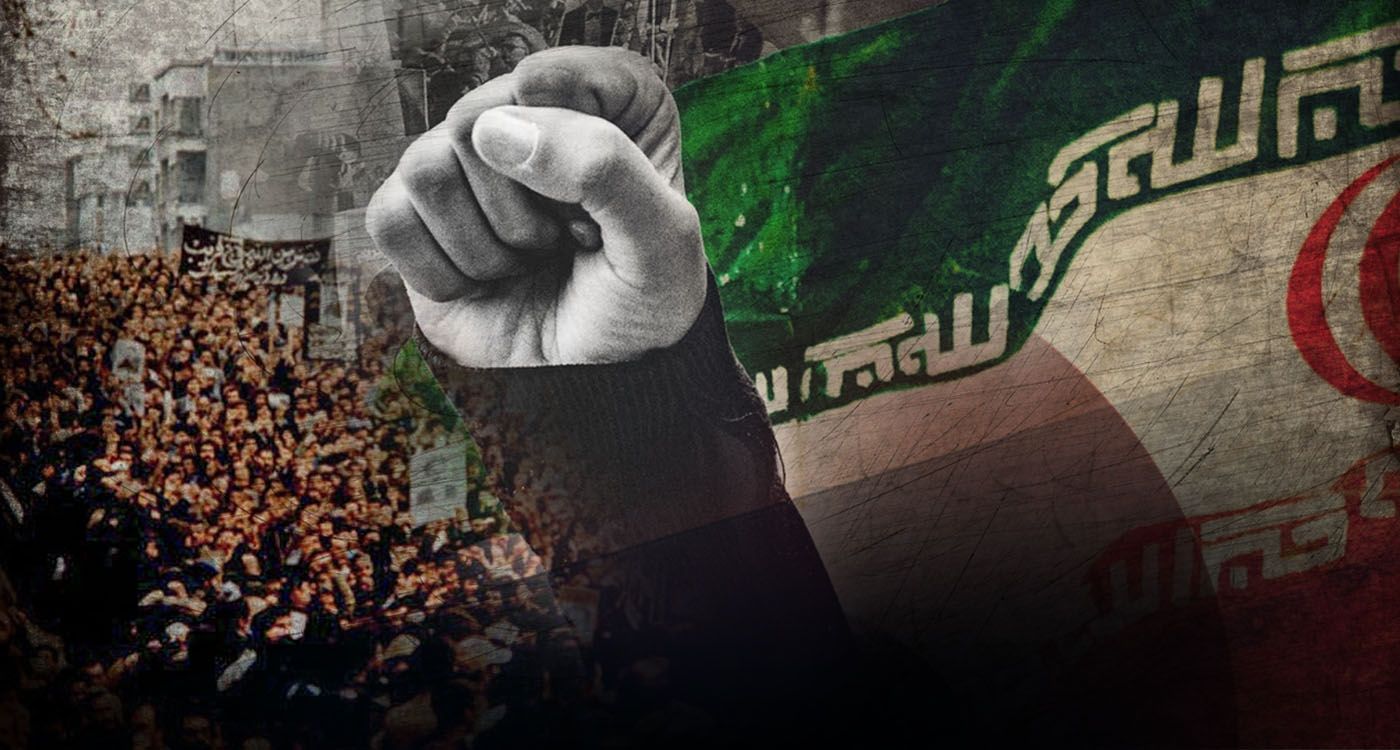
The fall of Iran's Islamist regime would mark one of the most seismic shifts in Middle Eastern geopolitics since the 1979 Islamic Revolution that brought it to power. As massive protests grip the country, sparked by economic collapse and hyperinflation, the prospect of regime change grows more tangible.
Unlike the 1979 revolution, which ushered in theocratic rule, today's demonstrators largely reject ideological extremism, with no widespread displays of keffiyehs or Palestinian flags. This signals a potential realignment: a post-regime Iran could pivot from being Israel's staunchest adversary to a potential partner, reviving historical ties that existed during the Pahlavi era.
Israeli Prime Minister Benjamin Netanyahu has publicly stated that once the regime falls, Jerusalem and Tehran could become partners again, working together for prosperity and peace. Such a transformation would dismantle the so-called Axis of Resistance, the network of proxies that has defined Iran's regional strategy for decades.
Hezbollah in Lebanon, heavily reliant on Iranian funding, arms, and guidance, would lose its core purpose. The group has already been severely weakened by Israel’s military campaign, with its leadership decimated and capabilities degraded. Without Tehran, Hezbollah might fracture or relent under international pressure and accept disarmament.
In Iraq, Iranian-backed Shia militias within the Popular Mobilization Forces, such as Kataib Hezbollah, would become leaderless. These groups have wielded significant influence, often operating independently of Baghdad, but their Iranian lifeline has been strained by recent setbacks. They could become even more fragmented and ineffective, potentially opening space for Iraq to assert greater sovereignty.
The Houthis in Yemen stand out as more resilient due to their geographic isolation and local roots. They might persist with a reduced footprint, focusing on maintaining their grip on power rather than regional disruption, especially as Iran's ability to supply them diminishes.
A secular or moderate post-regime Iran aligning with Israel would profoundly alter the regional balance. The Muslim Brotherhood's “Shia wing” would vanish, leaving the Sunni-dominated Brotherhood—influential in Turkey, Qatar, and increasingly Saudi Arabia—facing a strengthened Israel and U.S.
The Abraham Accords, which normalized ties between Israel and the UAE, Bahrain, and Morocco, could expand further, empowering moderates while marginalizing antisemitic Islamists across the region.
For the United States, a transformed Iran would present a major strategic gain: a large, educated, resource-rich ally in a volatile neighborhood. This could pressure Saudi Arabia and Turkey—long seen as Washington's key partners—to curb Islamism and antisemitism within their societies or risk losing influence.
Both countries have shown unease at the prospect of a revived, pro-Western Iran. State media in Turkey, Saudi Arabia, and Qatar have often sided with the Khamenei regime against protesters, seemingly calculating that a weakened Iran better serves their interests than a strong, secular one aligned with the U.S. and Israel.
Sunni states have already moved in anticipation of the potential downfall of the Iranian regime. Turkey has sought dominance in Syria, attempting to seize strategic assets like the T4 airbase, only to be checked by Israel. In Gaza, Turkey has pushed for troop deployment under the International Stabilization Force, but Israel has blocked the move. Saudi Arabia eyes influence in a post-Hezbollah Lebanon and in Yemen against the Houthis.
Meanwhile, Turkey, and Pakistan have pursued closer defense ties. A September 2025 mutual defense pact between Saudi Arabia and Pakistan has drawn Turkey into advanced talks for inclusion. This would create a trilateral based on Saudi Arabia’s financial clout, Pakistan’s nuclear power and manpower, and Turkey’s advanced industry. This emerging "Sunni alliance" appears aimed at countering a pro-U.S. Israel-Iran bloc.
From a U.S. and Israeli viewpoint, replacing Iran’s Shia jihadism across the region with a Sunni jihadism sponsored by Turkey, Saudi Arabia, and Qatar would offer little improvement. Given Sunni jihadism’s long history of exporting extremism, swapping one form of terrorism for another risks repeating cycles of instability, including potential attacks on U.S. interests around the world.
Ultimately, the end of Iran’s Islamist regime could usher in a more peaceful Middle East, with fewer proxy wars, a widened Abraham Accords, and deeper economic cooperation. But ensuring this outcome will require proactive diplomacy.
As Iran’s Islamist leadership falters, the U.S. must act decisively to help protesters bring it down and be ready to shape what comes next. The stakes are immense, as cataclysmic change could bring either unprecedented opportunity or dangerous uncertainty.
Read more
Comments