- Home
- Middle East
- Lebanon Could Face ‘Indirect but Serious’ Fallout from Venezuela, Warns Senior Official
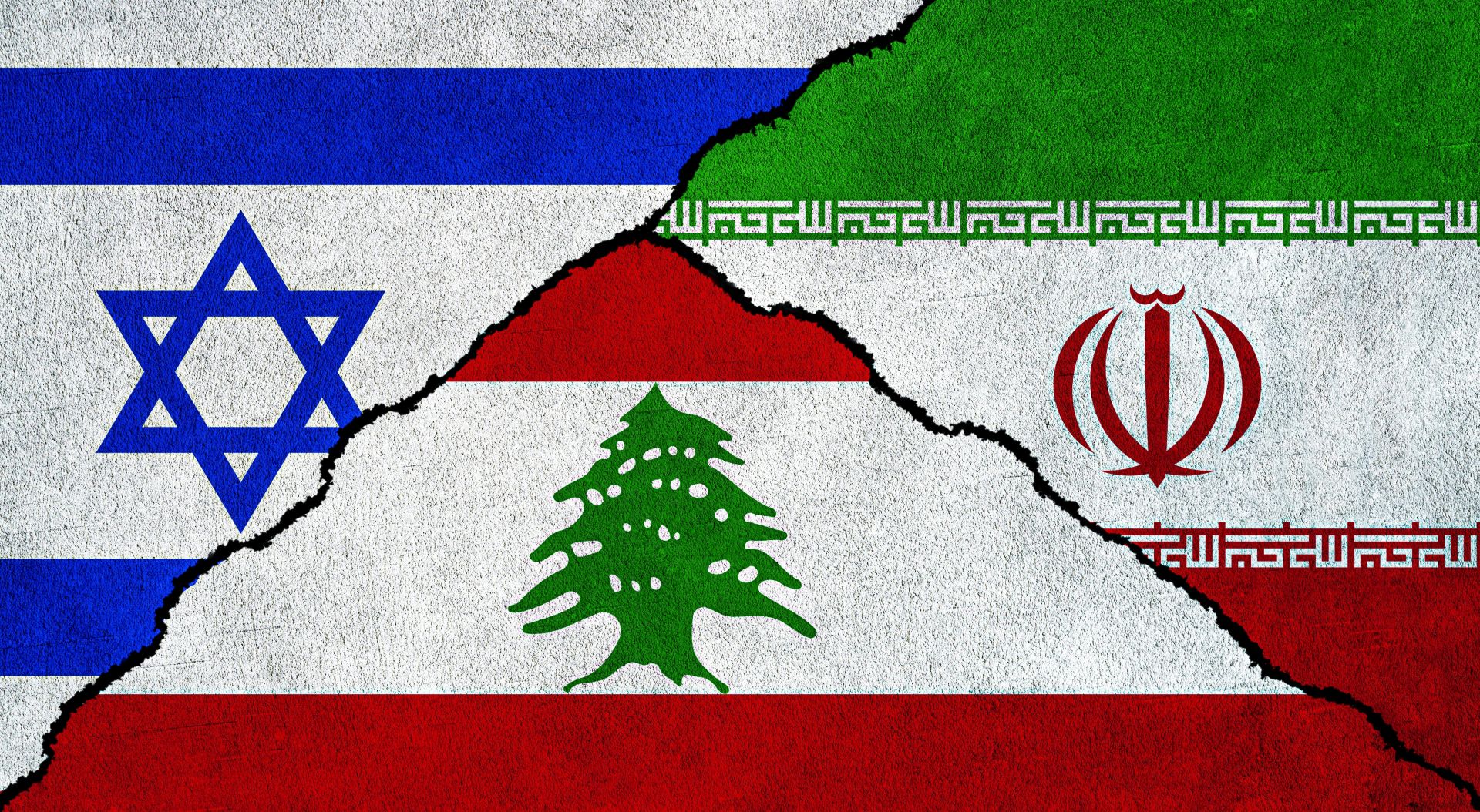
©Shutetrstock
A senior Lebanese official, speaking on condition of anonymity, said the fallout from Venezuela could have “indirect but serious consequences” for Lebanon, particularly if pressure on Iran intensifies, according to Nidaa Al-Watan.
“The collapse or weakening of this axis does not stop at one country,” the official stated. “If Iran is directly affected, Lebanon will inevitably feel the impact.”
The arrest of Venezuelan President Nicolás Maduro in a U.S. military operation has sent shockwaves far beyond Caracas, with Lebanese and regional observers increasingly viewing the move as the opening phase of a broader American strategy aimed at dismantling Iran-aligned networks worldwide, including Hezbollah.
In Beirut, the developments are being followed with growing unease. Many Lebanese officials have so far refrained from issuing any formal condemnation of the U.S. action, privately describing the events as an American matter while emphasizing Lebanon’s delicate diplomatic position amid ongoing contacts with Washington aimed at preventing further escalation with Israel.
Israeli Signals and Rising Pressure
The Venezuelan operation coincided with mounting Israeli rhetoric and military signaling. Israeli media reported that Prime Minister Benjamin Netanyahu was set to convene a high-level security meeting to discuss Gaza, Lebanon, and Iran, with an emphasis on expanding operations against Hezbollah.
Israeli officials have also conveyed to United Nations representatives that efforts by the Lebanese state and army to disarm Hezbollah remain insufficient, particularly amid allegations that the group is seeking to rearm with Iranian assistance.
Inside Lebanon, the developments come as the government prepares to advance a second phase of its plan to consolidate state control over weapons, following partial implementation south of the Litani River.
According to informed sources, Hezbollah has signaled unwillingness to cooperate with disarmament efforts north of the Litani, raising concerns that Lebanon could face renewed political, economic, and financial pressure if progress stalls.
Energy Cooperation and Sanctions Evasion
Energy cooperation has been the backbone of the Iran-Venezuela partnership. Iranian companies have played a central role in rehabilitating Venezuelan refineries, supplying critical equipment, and restoring fuel production capacity undermined by sanctions and years of mismanagement. Tehran has also provided tanker support, refinery components, and technical expertise to sustain Venezuela’s domestic fuel supply.
U.S. officials have long argued that these arrangements were not purely commercial, but part of a broader sanctions-evasion architecture, one that enabled Iran and its allied networks, including Hezbollah-linked financial structures, to generate revenue and logistical reach far from the Middle East.
From Syria to Venezuela: A Familiar Pattern for Tehran
Iranian concern over the fate of its Venezuelan investments mirrors earlier losses elsewhere. Following the collapse of Bashar al-Assad’s rule in Syria, Tehran saw decades of economic, logistical, and real-estate investments erased, losses Iranian officials and former lawmakers have estimated at tens of billions of dollars.
Venezuela had increasingly assumed a similar strategic role for Iran in Latin America, serving as a platform for influence, access, and alliance-building beyond Iran’s immediate neighborhood. The prospect of losing that foothold is therefore viewed in Tehran not merely as a financial setback, but as a significant geopolitical blow.
A Shifting Global Order
The unfolding events point to a shifting world order. Washington’s move against Venezuela is increasingly seen as the opening phase of a wider campaign to isolate Iran and its allies, including Hezbollah. The Trump administration is moving decisively to confront and dismantle Iran’s global axis of influence, from Latin America to the Middle East, while ongoing protests inside Iran further weaken the foundations of the regime.
Many analysts trace the inflection point to October 7, 2023, when Hamas launched its unprecedented attack on Israel, an event that triggered a cascade of strategic recalculations across the Middle East and beyond.
That moment was followed by a far more consequential turning point: the collapse of the Assad regime in Syria, which dismantled a central pillar of Iran’s regional architecture. The fall of Damascus not only severed critical logistical, military, and financial corridors but also accelerated the erosion of Iran’s ability to project power through allied networks.
While Iran’s influence is not the sole rationale behind the arrest of Maduro, Washington has long accused the Venezuelan leadership of presiding over a narco-state, citing allegations of large-scale drug trafficking, money laundering, and cooperation with transnational criminal organizations. At the same time, dismantling Iran’s broader power projection, including its regional networks and nuclear ambitions, remains a crucial objective.
Read more
Comments