- 17:10

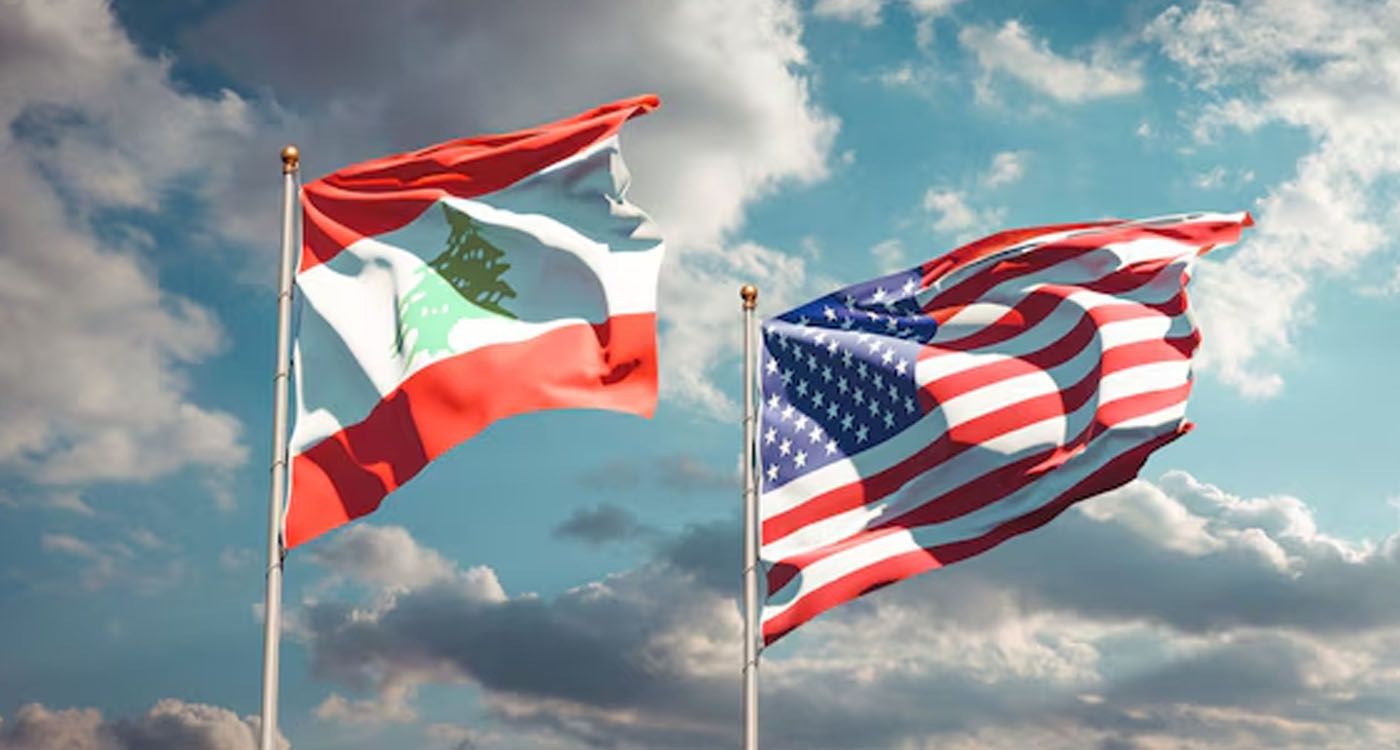
Heading into 2026, U.S. engagement in Lebanon has become explicitly conditioned on measurable progress toward Hezbollah’s disarmament, marking a clear break from the strategic ambiguity that long defined Washington’s approach.
The aftermath of the 2024 Israel–Hezbollah conflict, alongside Lebanon’s deepening economic and political crises, sharpened U.S. focus on core security priorities. Policy documents and legislation have since formalized this shift, with Congress and the White House tying aid, diplomatic initiatives, and ceasefire mechanisms to concrete Lebanese actions on Hezbollah and border security.
In 2026, U.S. policy will be measured by concrete results: diminished Hezbollah operational freedom and a lower risk of large-scale conflict with Israel. Should these benchmarks go unmet, Washington is expected to intensify punitive measures and conditionality. Beirut, in turn, faces difficult, politically costly decisions.
Shifting Diplomatic Engagement
Washington’s diplomatic engagement with Lebanon in 2025 was steered by a small, tight circle of confidants of U.S. President Donald Trump. Tom Barrack, the U.S. ambassador to Türkiye and special envoy to Syria, gradually relinquished oversight of the Lebanon file over the course of the year to Morgan Ortagus, the deputy special envoy for the Middle East, and to Michel Issa, who arrived as ambassador to Lebanon in November.
Barrack’s high-profile but controversy-prone shuttle diplomacy in mid-2025, which pressed Beirut to act decisively against Hezbollah’s arms in exchange for financial lifelines, helped set the tone early while exposing the limits of a personality-driven approach. By year’s end, Issa’s arrival in Beirut and Ortagus’s elevation as Washington’s point person on the Israel–Lebanon ceasefire mechanism underscored a shift in the center of gravity away from Barrack’s regional grand bargaining.
U.S. policy moved toward a more institutionalized framework, centered on the ceasefire mechanism, linking disarmament, border stability, and economic incentives. Ortagus prepared the ground for Lebanon to hold its first direct, civilian-led talks with Israel in decades via the ceasefire mechanism, with Issa nudging Beirut to continue joining the meetings despite Israel’s ongoing airstrikes and domestic political backlash.
The ceasefire mechanism has broadened from its initial focus on limited military issues to a testing ground for political and economic initiatives. Negotiators have proposed reconstruction projects along the border and floated the idea of a Trump-branded economic zone contingent on Hezbollah’s disarmament. As such, U.S. officials seek to demonstrate that de-escalation and economic recovery can advance simultaneously rather than in sequence.
In 2026, Barrack is expected to assume a secondary role, focusing on broader Syria-Lebanon-Israel issues, while Ortagus leads Washington’s Lebanon policy with support from Issa. Should the ceasefire mechanism remain effective, Ortagus will press for substantive discussions on border demarcation, demilitarized zones, and economic cooperation, with tangible progress on disarmament and demarcation serving as prerequisites for future Lebanon-Israel peace negotiations.
Disarmament Roadmap and Multilateral Diplomacy
A key pillar of Washington’s policy in 2025 was the drive toward a structured track for disarming Hezbollah, with the Lebanese Armed Forces (LAF) positioned as the centerpiece while Lebanese cabinet decisions provided a political framework.
Under intense U.S. and regional pressure, Lebanon’s government shifted from its previous vague commitments on seizing Hezbollah’s weapons to approving on September 5 an LAF plan for disarmament, even as Hezbollah and Amal ministers walked out in protest.
On the ground, however, the gap between U.S. demands and Lebanese realities was stark. Washington insisted on specific, time-bound steps to disarm Hezbollah, but the group’s entrenched power and the LAF’s limitations meant progress was largely rhetorical.
The U.S.-led ceasefire monitoring mechanism convened regular trilateral meetings with Israeli and Lebanese delegations to police violations and manage crises. In parallel, U.S., French, and Saudi officials met in Paris on December 18 with LAF commander Rodolphe Haykal to discuss a roadmap for curbing and eventually disarming Hezbollah, including strengthening monitoring and expanding international support teams.
In 2026, the ceasefire mechanism itself will act as a key instrument of leverage. Washington will use violations and implementation reports to press both sides. Israel will face pressure to exercise restraint, while Lebanon will be expected to enforce compliance. Should Beirut fail to rein in Hezbollah or its affiliates, Congress could impose even tougher conditions, and European and Gulf partners may grow more skeptical.
No More “Blank Check” for LAF
Ahead of 2026, Washington replaced its longstanding bipartisan support for the Lebanese Armed Forces (LAF) with a new doctrine. Military and security assistance was now explicitly conditioned on the LAF’s willingness and demonstrated ability to challenge Hezbollah’s influence, rather than merely coexist with it.
This recalibrated approach clarified U.S. objectives and red lines, signaling a readiness to withhold support if benchmarks were not met. A new National Defense Authorization Act (NDAA) provision further tightened the mandate for U.S. military aid, specifying that support “may be used only” to bolster the LAF’s capacity against Hezbollah and other terrorist groups threatening Lebanon and its neighbors.
Drafts and explanatory texts surrounding the 2026 NDAA emphasized that U.S. support was no longer a “blank check,” reflecting Washington’s waning patience for any armed role for Hezbollah.
Fragile State, Limited Leverage
Washington’s tougher approach has collided with Lebanon’s fragile politics and chronically weak state institutions. President Joseph Aoun’s government was already beset by economic collapse and deep political fissures. Hezbollah’s refusal to disarm—and its ability to mobilize allies like Parliament Speaker Nabih Berri—has made any LAF or cabinet attempt to challenge the militia’s arsenal highly risky.
Ahead of parliamentary elections scheduled for 2026, U.S.-backed disarmament steps have also run directly into Lebanese electoral calculations, especially in Shia-majority areas where Hezbollah remains deeply entrenched.
Paradoxically, as U.S. policy has grown more conditional, Lebanon’s dependency and vulnerability have intensified. Washington has increasingly wielded aid as its primary tool to influence Lebanese behavior, but this sharpened leverage risks destabilizing the very partner it seeks to empower.


Comments