- Home
- Middle East
- Israel Warns Strike on Iran ‘Inevitable’ Without Missile Deal
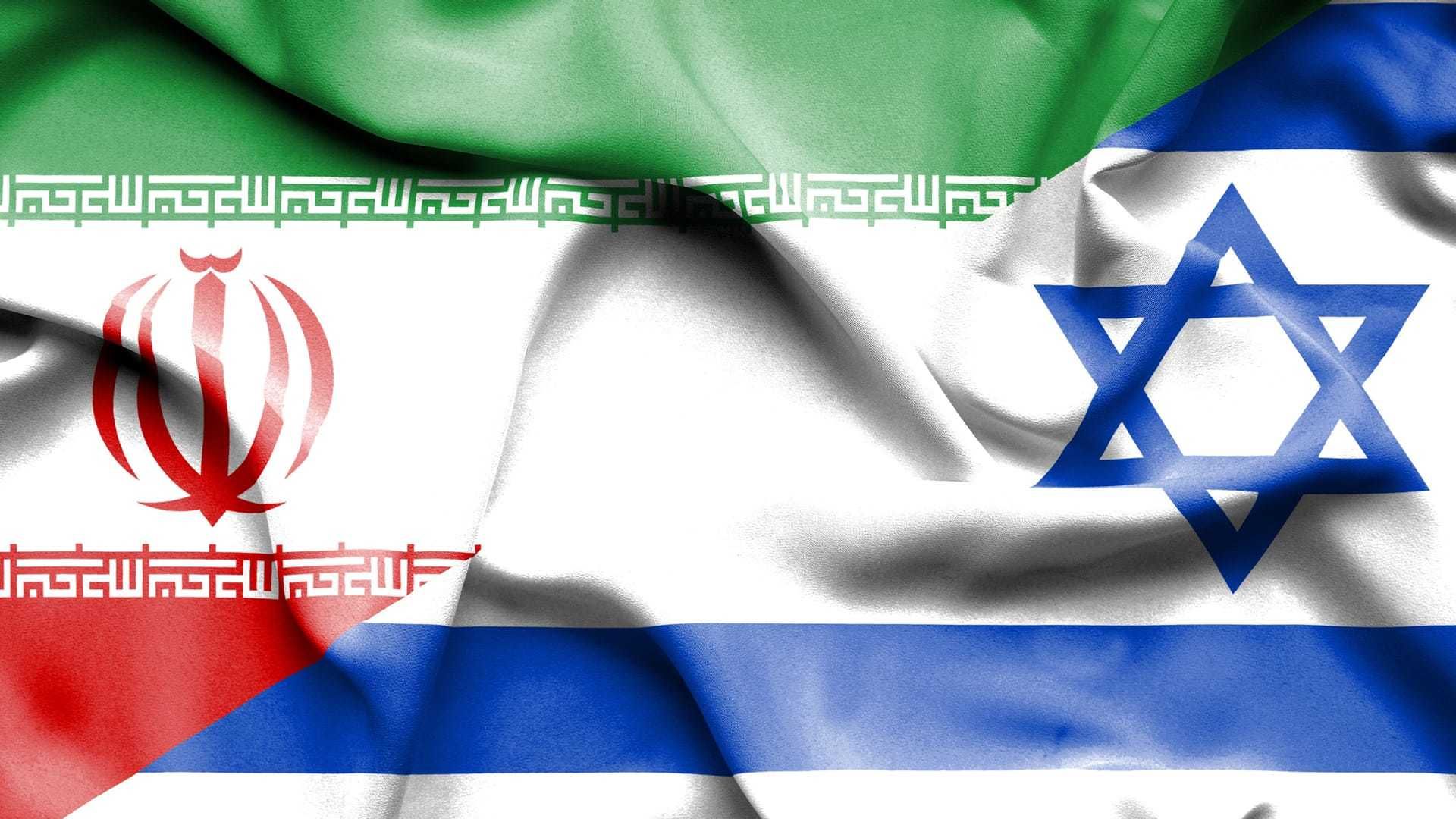
A composite image showing the flags of Israel and Iran. ©Al-Markazia
A senior Israeli military official warned that an attack on Iran would become “inevitable” if the U.S. fails to reach an agreement limiting Tehran’s ballistic missile program.
The official, speaking to Israel’s Ynet news site, said Prime Minister Benjamin Netanyahu is expected to present U.S. President Donald Trump with intelligence assessments during a meeting scheduled for Monday, warning of what Israel views as an escalating Iranian missile threat.
Israeli Warnings and Iranian Activity
According to the official, Israel may be forced to act militarily if diplomatic efforts fail, stressing that Iran’s ballistic missile capabilities pose a “grave danger.” He added that a large-scale missile launch towards Israel could cause destruction comparable to that of a “small nuclear bomb.”
The comments come amid reports that Iran is preparing to significantly expand missile production, with the aim of being able to launch hundreds of missiles simultaneously in the event of renewed conflict.
Netanyahu said on Tuesday that Israel was “aware” of recent Iranian military drills and would raise the issue directly with the U.S. president. He warned that any Iranian move would be met with a “very harsh response,” amid concerns in Israel that Tehran is seeking to rebuild its missile arsenal following the 12-day war in June.
His comments came after reports from inside Iran of missile tests or military maneuvers in several provinces. While Iranian state television later denied that any drills had taken place, Fars News Agency, affiliated with the Islamic Revolutionary Guard Corps (IRGC), reported sightings of white smoke believed to be linked to missile activity. Iran’s state broadcaster also aired footage promoting what it described as a “missile hell” awaiting Israel.
Military Posturing on Both Sides
On Monday, Israel’s Chief of Staff Lt. Gen. Eyal Zamir hinted at the possibility of renewed strikes, saying the military would act “wherever necessary, on near and distant fronts alike.” He described the campaign against Iran as central to what he called the “longest and most complex war” in Israel’s history, accusing Tehran of financing and arming forces surrounding Israel across multiple fronts.
In response, Iranian armed forces spokesperson Abolfazl Shekarchi said on Tuesday that Iran’s naval, ground and missile capabilities were “fully prepared for any scenario imposed by the enemy,” adding that much of the country’s military capacity had yet to be deployed.
Rising Risk of Escalation
According to a report by Axios, Israeli officials told the Trump administration over the weekend that Iran’s recent missile activity had raised serious concerns, even though available intelligence does not yet indicate preparations for an imminent attack. The report added that Israel’s tolerance for risk has sharply decreased since the October 7, 2023 Hamas attack, with one Israeli official saying the likelihood of an Iranian strike may be below 50 percent, but that “no one is willing to take that chance.”
Israeli and U.S. officials have also warned that miscalculation on either side could trigger an unintended war, particularly if both interpret the other’s actions as preparations for an imminent strike.
Military Assessments and Regional Fallout
Israeli intelligence assessments indicate that Iran is accelerating efforts to rebuild its missile capabilities, estimating that Tehran currently possesses around 1,500 missiles, down from approximately 3,000 before the June conflict, as well as 200 launchers, compared with around 400 previously.
On June 13, Israel launched a large-scale attack on strategic targets inside Iran, killing dozens of senior Islamic Revolutionary Guard Corps commanders and nuclear-linked officials. The United States later joined the campaign, carrying out strikes on Iranian nuclear facilities.
The renewed warnings come at a moment of heightened regional fragility, with tensions stretching from southern Lebanon to the Red Sea. Analysts say Israel’s increasingly direct rhetoric reflects growing concern that diplomatic efforts may no longer be sufficient to curb Iran’s military posture. Any miscalculation risks widening a conflict that regional and international actors have struggled to contain since the outbreak of war in Gaza.
Read more


Comments