- Home
- Middle East
- Iraq on High Alert: Baghdad Warns of Imminent Israeli Strikes
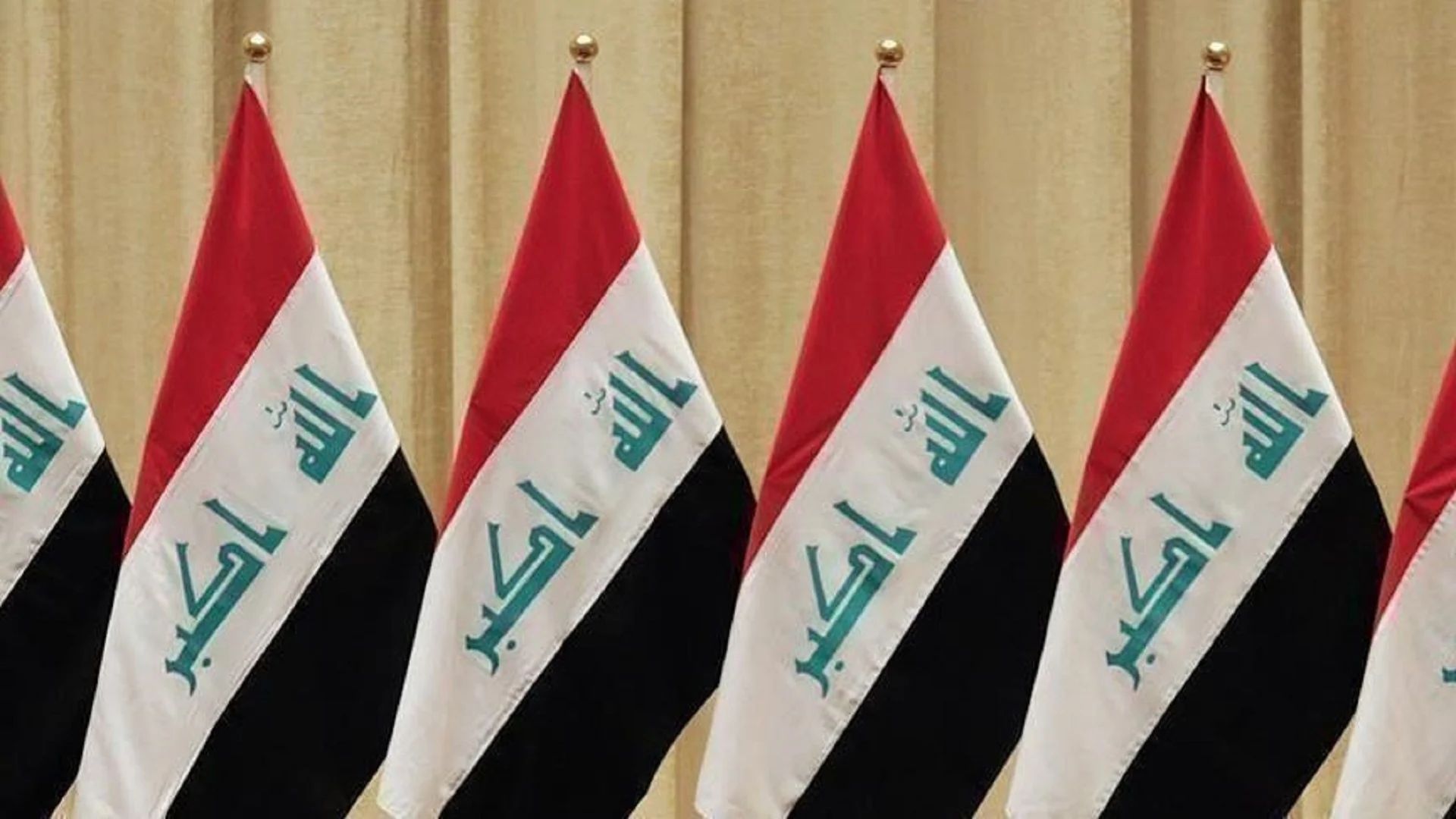
Iraq on High Alert: Baghdad Warns of Imminent Israeli Strikes ©Markazia
According to several corroborating reports cited by Israeli media, Iraqi authorities have been discreetly warned of the possibility of targeted Israeli strikes on their territory, aimed at pro-Iranian armed groups operating in the country.
These warnings, described as “extremely serious,” are said to have been delivered through Western and regional channels amid rising regional tensions.
Additional reporting, citing sources close to Israeli security circles, indicates that Baghdad reportedly received a detailed dossier outlining the extent of intelligence gathered by Israel on Iraqi militias affiliated with the pro-Iranian axis. The material reportedly details military structures, financial networks, key figures, and sensitive sites and is said to have surprised even senior Iraqi officials.
Clearly Identified Targets
The information reportedly includes comprehensive lists covering training camps, weapons depots, and drone and missile facilities, as well as individuals playing key roles in financing and logistics for the armed factions. Some state structures are also said to be mentioned as serving as a cover for these groups’ influence.
According to Israeli state media, Israel is now seen as having greater operational flexibility, suggesting that an implicit U.S. green light may have been given for potential unilateral action. This development presents the Iraqi government with a major strategic dilemma.
A Western diplomat, cited by regional sources, says that the disclosure of the extent of Israel’s intelligence capabilities comes at a critical moment, as Baghdad has not yet fully assessed the risk of an escalation with potentially destabilizing consequences for Iraq and the wider Middle East.
Baghdad Responds After Israeli Complaint to the UN
Alongside these threats, the Iraqi government reacted firmly to a complaint filed by Israel with the United Nations Security Council, accusing it of turning a blind eye to attacks carried out from its territory by armed factions. The move reportedly caused strong irritation within the executive led by Mohammed Shia al Sudani.
Meeting in an emergency session, the National Security Council adopted a series of measures aimed at containing any military activity operating outside state authority. Among the most significant decisions were orders for all security forces to track and prevent any armed operations conducted outside institutional frameworks, as well as a major reinforcement of the country’s western border, particularly in areas near Syria.
Firm Denial of the Accusations
The spokesperson for the commander-in-chief of the armed forces, General Yahya Rasoul, dismissed the accusations as “baseless,” calling them a pretext aimed at justifying a premeditated aggression against Iraq and expanding the regional conflict. He reaffirmed that decisions over war and peace rest solely with the Iraqi state and highlighted ongoing efforts to prevent the use of national territory for offensive purposes.
However, these statements do not reflect the situation on the ground, as groups affiliated with the resistance axis continue to carry out operations from Iraqi territory.
According to figures cited by security sources and reported by the newspaper Asharq al-Awsat, more than 120 attacks have been launched from Iraq in recent months. This situation is fueling concerns over a potential large-scale regional retaliation.
In response to this escalation, Baghdad has tasked its diplomatic corps with intensifying efforts at international forums, calling on the Arab League to adopt a firm common stance, and seeking U.S. involvement to prevent any military developments that could further ignite the region.
The Iraqi government also affirmed its commitment to international law and the preservation of its sovereignty while preparing for an increasingly uncertain security scenario at the intersection of regional rivalries and internal fault lines.
U.S. Statements Supporting Disarmament
Amid growing security and diplomatic pressures, the U.S. position has become increasingly clear. The U.S. envoy to Iraq, Mark Savaya, said on Monday that “disarmament in Iraq must be total, comprehensive, and carried out within a clear and legally binding national framework.”
He stressed the need to dismantle all armed factions, calling for “an organized and legal process allowing their members to reintegrate into civilian life.” He added that “no political formation, organization, or individual in Iraq has the right to possess or operate armed forces outside the authority of the state.”
The American diplomat also denounced the role of illegal armed groups, accusing them of “diverting national resources for personal gain or in service of external agendas,” a practice that, he said, “directly undermines the sovereignty and authority of the Iraqi state.”
Read more
Comments