- Home
- Middle East
- US House Votes to Repeal Caesar Act Sanctions on Syria
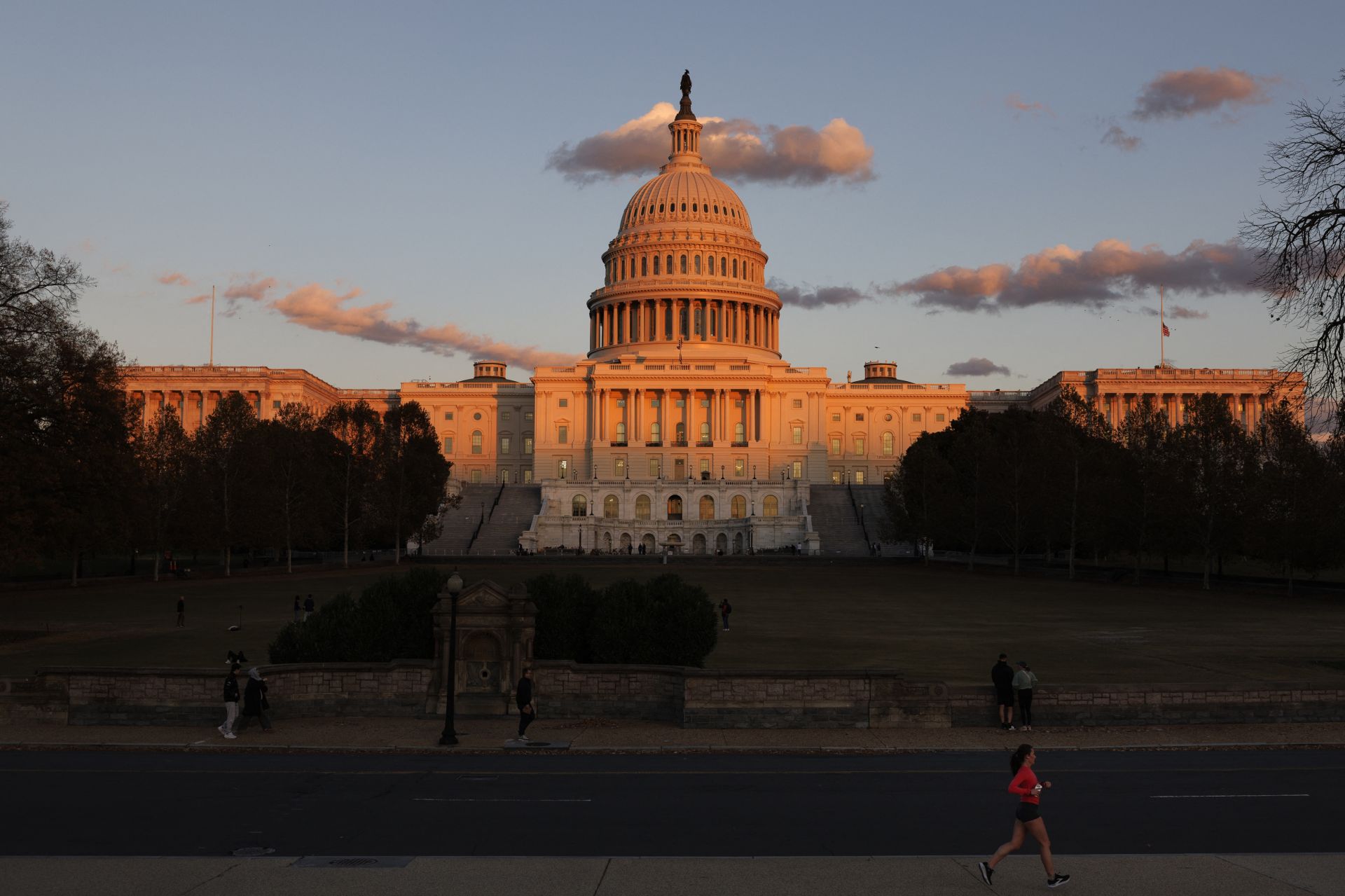
US Congress moves toward lifting long-standing Syria sanctions, pending Senate approval and the president’s signature. ©Photo by TOM BRENNER / GETTY IMAGES NORTH AMERICA / GETTY IMAGES VIA AFP
The US House of Representatives has voted to repeal the Caesar Syria Civilian Protection Act, a landmark sanctions regime imposed in 2019 on officials of former president Bashar al-Assad’s government for war crimes and human rights abuses. The repeal measure was included in the National Defense Authorization Act (NDAA) for Fiscal Year 2026, which passed the chamber on Wednesday night with a bipartisan vote of 312–112.
The bill now moves to the Senate. If approved, it will be sent to President Donald Trump for final signature.
Under the legislation, the rollback of Caesar Act sanctions will be accompanied by a four-year review process. US officials will assess conditions in Syria every 180 days to ensure that the government in Damascus is meeting benchmarks such as countering ISIS, removing foreign fighters from state institutions, and protecting ethnic and religious minority rights. Should Syria fall short, the bill allows targeted sanctions to be reimposed until compliance is restored.
The vote comes a year after the toppling of the Assad regime. Since then, relations between Washington and Damascus have steadily improved, with the Syrian government pushing for broad sanctions relief.
During a visit to the Gulf in May, President Trump announced that his administration would move to lift Assad-era sanctions. The US Treasury Department formally removed Syria from its sanctions list in August. Earlier this year, members of Congress introduced legislation aimed at repealing the Caesar Act, setting the stage for this week’s vote.
Last month, during Syrian President Ahmed Al Sharaa’s visit to Washington, the Departments of Treasury and Commerce renewed a 180-day suspension of certain Caesar Act restrictions, with exceptions for transactions involving Russia and Iran.
The sweeping defense bill – which spans more than 3,000 pages – also includes provisions affecting US policy across the Middle East.
Read more



Comments