- 09
- Dec.
- 2025

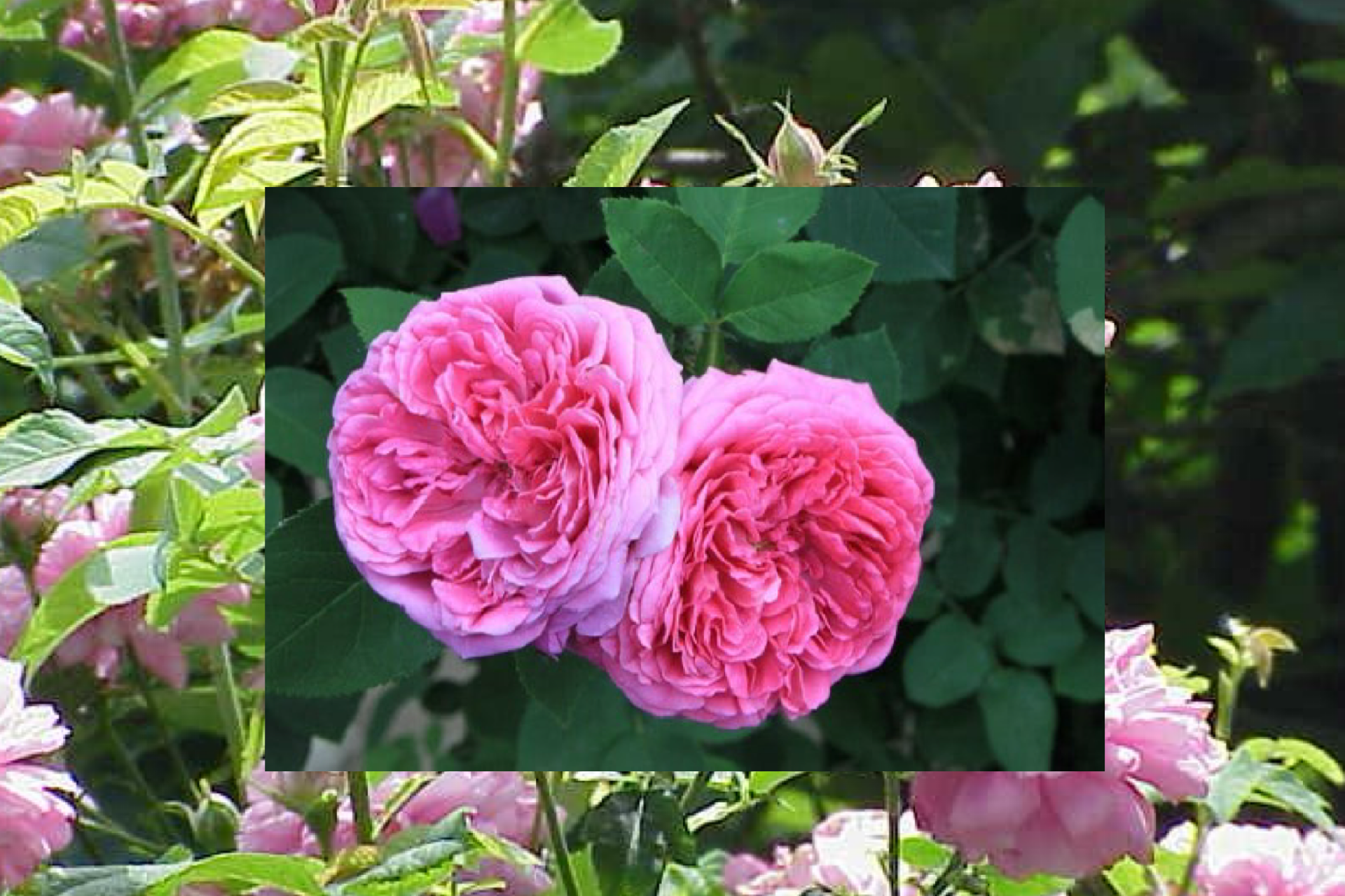
In Syria, the Damask rose refuses to fade from memory. Behind its enchanting fragrance lies the story of a wounded country holding on to its past and its customs, balancing a fragile revival, a threatened heritage and a longing for meaning.
South of Damascus, each spring returns with a scent that war could not wipe away. In the fields of Al Marah, the same quiet wonder unfolds again. The Damask rose blooms with stubborn grace. As every year, the steady ritual of renewal stirs a sense of hope, and Roula Ali Adeeb walks the rose-a tad tweaked but close lined paths, gathering each flower as if reclaiming a small victory from the darkness.
Syria, a land where rose and blood are intertwined, continually revives its symbols. In a world searching for roots, the Damask rose—long celebrated by poets as the “queen of roses” and cherished by perfumers and confectioners alike—defies both the passage of time and the ravages of violence. Its fate mirrors that of the country itself: shattered, yet unshakable. How does this ancient emblem endure a war that has left so much in ruins and, through its quiet persistence, revive the identity and hope of an entire people?
You have to hear the morning “click, click, click” of gloved hands picking the thirty fragile petals of a Damask rose to understand what peace means in the daily life of Syrians. Thirteen years of conflict, 528,000 dead, 5.3 million exiles: on this soil soaked in grief, the fields of Roula Ali-Adeeb, founder of BioCham, were abandoned, bombed, and gradually reclaimed through patience. “When silence settles over my fields in the early morning, I love hearing the ‘click’ of the roses being picked,” she says, relishing the calm drawn from the chaos.
Between 2013 and 2017, the Damask rose fell silent. Trapped in Damascus, Roula could not reach her fields, located right on a front line where the regime’s army faced the rebels. The rose bushes themselves bore shrapnel scars. When Assad’s regime finally collapsed on December 8, 2024, she was stunned. “The nearby military base emptied in an instant,” Roula recalls. As the rebels advanced, the regime’s soldiers fled, abandoning their uniforms, while Roula worked to hide her production, evacuating computers and distillers, and even taking three soldiers with her against her will to save what she could. This blend of survival instinct and deep connection to the land has become her guiding principle: “I care for my rose bushes as if tending a family memory, protecting them from everything that threatens to be forgotten.”
Twice as Expensive as Before the War
Elsewhere, near Aleppo, in the hum of Al-Hal market, the rose is sold by the kilo—twice as expensive as before the war—but still prized for jams, syrups, and infusions. Oussama Zeino, a grower in Al-Nayrab, remembers the years of scarcity, the excessive taxes at checkpoints, and the shortage of seasonal workers. He, too, continues to replant. Traditions persist stubbornly: “When we had stomachaches, my mother would make us drink rose water,” recalls Asia, a picker. The Damask rose is more than a product; it is a delicate thread connecting a collective identity.
This flower, both fragile and powerful, nourishes spiritual memory and social ritual. In Maaloula, it adorns the altar of a Christian monastery. In Jerusalem, Saladin once demanded it be used to purify the Al-Aqsa Mosque. From village to village, from one faith to another, the Damask rose crosses Syria’s divides, transcending both divisions and affiliations.
Yet resilience is not always enough. In Al-Marah, the symbolic birthplace of the rose, a once-glorious past has faded. The Al-Bitar Foundation, which had made this village a global showcase, is now drained. The spring festival did not take place in 2025. Water is scarce, fuel for irrigation is outrageously expensive, and only 200 growers carry on compared with 1,000 before the war. Harvests have collapsed, dropping from 200 to 40 tons in just a few years. Here, three out of four residents now rely on humanitarian aid. The petals harvested are no longer sufficient to produce essential oil, the “liquid gold” once sold for up to 34,000 euros a liter and long a jewel of Syrian perfumery.
But it would be naive to forget how the Damask rose, a UNESCO-recognized cultural heritage, was used by the fallen regime. During the boom years, Asma al-Assad, the first lady with an almost Western-icon aura, liked to pose amid the rose gardens, wrapped in the symbolism of an eternal Syria. “Rose in the desert,” one overly flattering fashion magazine called her, even as the country sank into horror, prisons, and censorship. The Trust for Development, Asma’s powerful philanthropic arm, turned the rose into a tool of communication: cosmetic showcases, festivals, unfinished architectural projects… a fragrant soft power barely masking the regime’s brutality.
A Rose to Remember
The fall of Bashar al-Assad, rightly celebrated by the victims of the dictatorship, did open a new chapter, yet a year later reality remains harsh and complex. The war has left a country exhausted, its structures dismantled, and the rose industry orphaned, at the mercy of the strongest. The Syrian spring, like the rose itself, comes neither easily and carries its share of bitterness.
The story of the rose mirrors the upheavals of the country. Near Daraya, the Hliwa family has switched to the sultani, a higher-yield variety imported from Saudi Arabia. Yields have soared—700 kilos per hectare compared with 100 for the Damask rose—but the quality is declining. One brother died in prison, the family’s fortune was seized, and only slowly rebuilt. “They even steal our stems to make cuttings!” Aissan Hliwa says with a wry smile. But the short-term gains come at a cost. “The sultani could replace the Damask rose,” warns Mowaffaq Jabbour, a researcher in Damascus. “The Damask rose is more drought-resistant and better suited to our climate.”
Just like the country that nurtures it, the Damask rose remains vulnerable to the whims of time and the market. Drought, wind, and a shrinking workforce have emptied the countryside, and young people have moved elsewhere. Petals are growing scarcer, and dreams of prosperity are fading. “I harvested five tons this year, but I had hoped for eight,” sighs Roula Ali Adeeb, forced to focus on rose water rather than essential oil, less prestigious but more accessible.
“A people without memory is a people without a future,” wrote the historian Pierre Nora. The scent of the rose does not erase the country’s wounds; it keeps them alive in memory. As long as the morning “click” of the pickers echoes through the fields of Qalamoun, Syria will hold, against all odds, a taste of what might be.
The statements reported in this article are drawn from interviews and reports published between 2019 and 2025 in the following media outlets: Le Monde, AFP, France 24, The Guardian, The National, UNESCO, among others.
Comments